Why Purity Matters: The Impact of Trace Impurities on Chemical Performance
Chemical purity refers to the degree to which a substance consists solely of its intended chemical compound, free from unwanted contaminants such as residual solvents, metal ions, by-products, or moisture. While no industrial chemical is ever 100% pure, the control and minimization of trace impurities has become a defining factor in modern chemical performance, safety and reliability.
Today’s industries are demanding more from their raw materials than ever before.
High-performance fertilizers must deliver nutrients with precision and consistency. Food-grade and pharmaceutical applications require strict compliance with safety and regulatory standards. Advanced manufacturing, energy storage, and specialty chemical processes depend on predictable reactions, stable formulations, and long service life. In all these cases, even impurities present at parts-per-million (ppm) levels can make a measurable difference.
Trace impurities can influence chemical behavior in subtle but significant ways. Certain metal ions may catalyze unwanted side reactions, reducing product efficiency or accelerating degradation. Insoluble particles can interfere with filtration systems, coatings, or downstream processing. Variations in impurity profiles can lead to batch-to-batch inconsistency, process instability, or unexpected performance losses in real-world applications.
As chemical applications become more precise and tightly regulated, purity is no longer just a quality metric - it is a performance requirement. Understanding how trace impurities affect chemical behavior is essential for manufacturers and end users alike, helping ensure consistent results, regulatory compliance, and long-term process reliability across increasingly demanding industries.
Understanding Chemical Purity and Trace Impurities
What Is Chemical Purity?
Chemical purity describes the proportion of a material that consists of the desired chemical compound, expressed as a percentage or defined through maximum allowable impurity limits. Because absolute purity is practically unattainable at an industrial scale, purity is instead managed through clearly defined grades that match the requirements of specific applications.
Common purity grades include technical grade, typically used in industrial processes where minor impurities do not significantly affect performance; reagent or laboratory grade, designed for analytical and research use with tighter impurity limits; pharmaceutical and food grades, which must meet strict regulatory and toxicological standards; and electronic or semiconductor grade, where ultra-low impurity levels are essential to prevent defects in sensitive components. Each grade reflects a balance between achievable purity, cost, and performance expectations.
Purity is verified using standardized measurement methods and specifications. These may include assay values, limits for specific contaminants, and physical parameters such as color, clarity, or conductivity. International standards (such as ISO, ASTM, or pharmacopeial monographs) help ensure consistency across suppliers and markets, allowing end users to select materials with confidence and predictability.
What Are Trace Impurities?
Trace impurities are unwanted substances present in small quantities - often at parts-per-million (ppm) or even parts-per-billion (ppb) levels - that accompany the main chemical product. Despite their low concentration, these impurities can have a disproportionate impact on chemical behavior, stability, and downstream performance.
Impurities can be broadly classified into several types. Organic impurities include unreacted raw materials, side products, or residual solvents from synthesis and purification steps. Inorganic impurities may consist of salts, acids, or alkaline residues introduced during processing. Moisture is one of the most common impurities, affecting reactivity, shelf life, and handling properties. Metal contaminants, even in trace amounts, can catalyze degradation reactions or interfere with sensitive applications such as food, pharmaceuticals, and electronics.
Typical sources of impurities arise throughout the manufacturing chain. They may originate from raw materials, catalysts, and processing aids, or be introduced through equipment corrosion, storage conditions, or inadequate purification and quality control. Understanding both the nature and origin of trace impurities is a critical step toward managing purity and ensuring consistent chemical performance.
How Trace Impurities Affect Chemical Performance
Impact on Reaction Efficiency and Yield
Even minute amounts of impurities can significantly alter the efficiency and outcome of chemical reactions. One of the most critical effects is catalyst poisoning, where trace contaminants bind to active sites on catalysts, reducing their activity and slowing reaction rates. This can lead to incomplete conversions, lower product yields, and increased production costs.
Trace impurities can also promote side reactions, diverting reactants into unintended pathways. For example, metal ions or residual solvents can react with intermediates, forming by-products that complicate purification or compromise the quality of the final product. In high-precision applications - such as fine chemicals, pharmaceuticals, or specialty fertilizers - these seemingly minor disruptions can accumulate, resulting in batch-to-batch variability and performance inconsistencies that directly impact process reliability.
Effects on Stability and Shelf Life
Trace impurities can accelerate chemical degradation, reducing both stability and shelf life. Degradation pathways often arise from the interaction of contaminants with the primary chemical, triggering unwanted reactions such as polymer breakdown, acid-base imbalances, or precipitate formation.
Certain impurities, especially water or oxygen, increase susceptibility to oxidation and hydrolysis, leading to loss of potency or the formation of hazardous by-products. For products intended for long-term storage or transport, even small deviations in purity can cause significant deterioration, impacting safety, regulatory compliance, and customer satisfaction.
Influence on Physical and Mechanical Properties
Beyond chemical reactions, trace impurities can alter the physical and mechanical properties of a material. Variations in viscosity, density, or conductivity may arise when contaminants interact with solvents or additives, affecting processing behavior, mixing, and application performance.
In polymers and materials science, impurities can disrupt polymerization, weaken mechanical strength, or change thermal properties, potentially compromising structural integrity or durability. For electronic-grade materials, even parts-per-billion contamination can interfere with conductivity and device reliability. Across industries, these effects underscore that purity is not merely a regulatory requirement - it is fundamental to achieving consistent, high-performing, and safe chemical products.
Industry-Specific Impacts of Chemical Impurities
Pharmaceuticals and Life Sciences
In the pharmaceutical and life sciences sector, chemical purity is paramount, as even trace impurities can pose direct risks to patient safety. Contaminants in active pharmaceutical ingredients (APIs), excipients, or reagents can trigger adverse reactions, reduce therapeutic efficacy, or introduce toxic by-products. Maintaining high purity ensures that medications perform as intended and meet stringent quality standards.
Regulatory agencies such as the United States Pharmacopeia (USP), European Pharmacopeia (EP), and the FDA enforce strict limits on allowable impurities, requiring manufacturers to monitor and control trace contaminants rigorously. Non-compliance can result in product recalls, regulatory penalties, or delays in product approval. Consequently, precise control over chemical purity is not just a matter of efficiency - it is a legal and ethical requirement that safeguards patient health and upholds industry credibility.
Electronics and Semiconductor Manufacturing
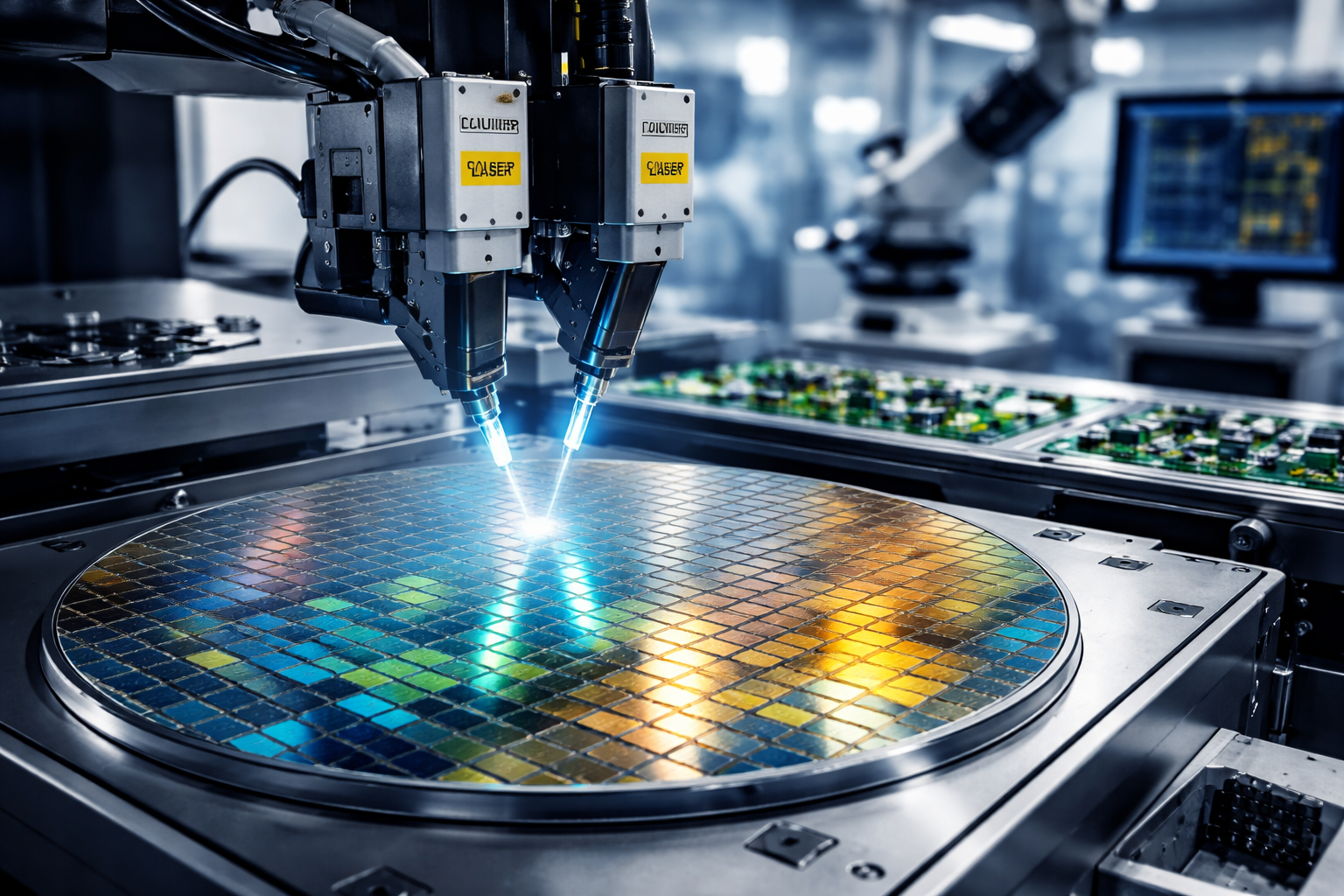
In electronics and semiconductor manufacturing, even parts-per-billion levels of contamination can have severe consequences. Ultra-pure chemicals are essential for processes like wafer fabrication, etching, and deposition, where any foreign particle or ion can compromise circuit integrity. Trace metals, particulates, or residual solvents can lead to defects, short circuits, or inconsistent conductivity in finished devices.
Such contamination often results in yield loss, as faulty microchips or components cannot meet performance specifications. Given the high costs of semiconductor production and the critical reliance on product reliability, controlling chemical purity is a cornerstone of process optimization. Suppliers and manufacturers invest heavily in cleanroom environments, ultra-pure reagents, and meticulous quality control to mitigate even the smallest impurity risks.
Specialty Chemicals and Advanced Materials
For specialty chemicals and advanced materials, the presence of trace impurities can directly impact performance consistency and reliability. In high-precision applications, such as catalysts, polymer composites, coatings, and high-performance lubricants, minor contaminants can alter reaction kinetics, mechanical properties, or thermal stability, leading to unexpected variations in product behavior.
This can result in product failure, particularly in industries where exact performance parameters are critical, such as aerospace, automotive, or renewable energy technologies. Manufacturers must carefully control raw material quality, purification processes, and storage conditions to ensure that impurities do not compromise functional outcomes. In these high-stakes applications, chemical purity is not optional - it is essential to delivering dependable, high-performance solutions to the market.
Analytical Techniques for Detecting Trace Impurities
Common Analytical Methods
Detecting trace impurities requires precise, sensitive analytical techniques capable of identifying contaminants at very low concentrations. High-Performance Liquid Chromatography (HPLC) is widely used for separating and quantifying organic impurities in liquids, including residual solvents, reaction by-products, and degradation compounds. Its versatility makes it a standard tool in pharmaceuticals, specialty chemicals, and food-grade applications.
Gas Chromatography-Mass Spectrometry (GC-MS) is particularly effective for volatile and semi-volatile organic impurities. By combining separation through gas chromatography with identification via mass spectrometry, GC-MS allows both qualitative and quantitative analysis, detecting compounds even at parts-per-million levels.
Inductively Coupled Plasma Mass Spectrometry (ICP-MS) is the method of choice for detecting trace metals and inorganic contaminants. It offers extremely high sensitivity, capable of identifying impurities at parts-per-billion or even parts-per-trillion concentrations, making it essential for electronics, semiconductors, and high-purity chemical manufacturing.
Nuclear Magnetic Resonance (NMR) spectroscopy provides structural information about molecules, allowing chemists to detect unexpected or unusual chemical species. While less sensitive than some mass spectrometry techniques, NMR is valuable for confirming molecular integrity and identifying complex organic impurities that may not be evident through chromatography alone.
Challenges in Trace-Level Detection
Despite advanced analytical capabilities, detecting trace impurities presents several challenges. Sensitivity limitations can make it difficult to reliably quantify contaminants at extremely low concentrations, especially when multiple impurities coexist or when signals overlap. Additionally, sample contamination risks are ever-present; even minor handling errors, environmental dust, or residual solvents from glassware can introduce artifacts that compromise results.
Effective trace analysis requires not only sophisticated instrumentation but also rigorous sample preparation, clean handling protocols, and method validation to ensure accurate, reproducible measurements. In high-precision industries, these analytical safeguards are critical to maintaining chemical performance, product quality, and regulatory compliance.
Strategies to Minimize Impurities and Ensure High Purity
Best Practices in Chemical Manufacturing
Maintaining high chemical purity begins with robust raw material sourcing. Selecting high-quality, certified starting materials reduces the likelihood of introducing contaminants early in the production process. Suppliers with proven track records, standardized testing protocols, and transparency in their quality data are essential partners for any manufacturer aiming for consistent purity.
Equally important are controlled manufacturing environments. Cleanrooms, filtered air systems, and temperature- and humidity-controlled production areas help prevent contamination from dust, moisture, or airborne particulates. Equipment design also plays a role; corrosion-resistant materials, proper maintenance, and dedicated processing lines reduce the risk of cross-contamination. Moreover, careful monitoring of reaction conditions, solvent purity, and intermediate processing ensures that impurities are minimized at every stage. By integrating these measures into standard operating procedures, manufacturers can significantly enhance product consistency, performance, and compliance with industry standards.
Quality Control and Supplier Audits
Beyond production, rigorous quality control (QC) practices are essential for ensuring chemical purity. Batch testing using analytical techniques like HPLC, GC-MS, ICP-MS, and NMR allows manufacturers to verify that products meet defined purity specifications and remain free from harmful trace impurities. Regular QC testing also supports process optimization by identifying potential contamination sources and trends over time.
Supplier audits and certification further strengthen purity assurance. Verifying supplier practices, reviewing quality management systems, and confirming adherence to regulatory standards such as ISO, USP, or EP provide traceability and accountability throughout the supply chain. Maintaining thorough documentation enables rapid response to any deviation, ensuring that only high-purity materials reach end-users. Together, stringent QC measures and proactive supplier management form a comprehensive strategy for consistently delivering chemicals that meet the highest standards of performance and safety.
Regulatory and Quality Standards for Chemical Purity
Ensuring chemical purity is not only a matter of performance - it is also tightly regulated across industries. ISO standards provide globally recognized frameworks for quality management, process control, and testing procedures. Standards such as ISO 9001 guide manufacturers in establishing systematic quality management systems, while ISO guidelines for chemical analysis ensure consistency, accuracy, and traceability in impurity testing. Compliance with these standards helps companies maintain high-quality production, reduce risk, and meet customer expectations across international markets.
Good Manufacturing Practice (GMP) compliance is particularly critical in pharmaceuticals, food-grade chemicals, and life sciences. GMP mandates strict controls over production environments, equipment, personnel, and documentation to prevent contamination and ensure product consistency. Adherence to GMP not only safeguards end-users but also ensures that products meet stringent regulatory requirements set by authorities such as the FDA, EMA, or other national agencies.
Many industries also rely on specific purity benchmarks tailored to their applications. For example, electronic-grade chemicals demand ultra-low metal content, while pharmaceutical and food-grade chemicals must comply with limits on residual solvents, heavy metals, and other trace contaminants. Specialty chemicals and advanced materials often follow internal or customer-specific purity standards to guarantee consistent performance. Together, these regulatory and quality frameworks establish a rigorous foundation for controlling impurities, building trust, and ensuring that chemicals meet the highest safety, performance, and reliability expectations.
FAQs – Common Questions About Chemical Purity
Why are trace impurities so difficult to eliminate?
Trace impurities often originate from raw materials, processing aids, or equipment, making them challenging to remove completely. Even ultra-pure reagents can absorb moisture or trace metals from the environment, and some contaminants are chemically similar to the desired compound, requiring advanced purification techniques to separate effectively.
How pure is “pure enough” for industrial chemicals?
The required purity depends on the application. Technical-grade chemicals may tolerate minor impurities, while pharmaceuticals, food-grade chemicals, and electronic materials demand strict compliance with regulatory limits. Selecting the right purity level involves assessing the process sensitivity, performance requirements, and safety standards of the end-use application.
Do higher purity chemicals always perform better?
Not necessarily. While higher purity reduces the risk of side reactions, contamination, and variability, it also increases production costs. The benefits must be evaluated relative to the application’s precision requirements, regulatory demands, and performance goals. In some industrial processes, slightly lower-grade chemicals may be sufficient without compromising outcomes.
How can companies balance cost and purity requirements?
Achieving the right balance requires strategic sourcing, rigorous quality control, and efficient manufacturing practices. By selecting suppliers with certified materials, optimizing purification methods, and targeting purity levels appropriate to the application, companies can minimize costs while ensuring consistent performance, safety, and regulatory compliance.
Conclusion – Purity as a Competitive Advantage
Chemical purity is more than a technical specification - it is a cornerstone of performance, safety, and reliability across industries. Trace impurities, even at minuscule levels, can affect reaction efficiency, stability, and material properties, making stringent control essential for pharmaceuticals, electronics, specialty chemicals, and advanced materials.
Investing in high-purity raw materials, controlled manufacturing environments, and robust analytical testing not only ensures regulatory compliance but also builds long-term process reliability and customer trust. Companies that prioritize purity can reduce product failures, improve yield, and maintain consistency across batches, giving them a tangible competitive advantage.
Ultimately, embracing chemical purity as a strategic focus supports innovation and strengthens operational resilience. In a landscape where precision, performance, and safety are increasingly non-negotiable, high-purity chemicals are a key driver of sustainable success and technological advancement.