Phosphates as Sequestering Agents: Preventing Metal Interference in Formulations
Metal ions are everywhere - present in raw materials, water sources, processing equipment, and even packaging. In industrial and consumer formulations, common metals such as calcium, magnesium, iron, copper, and manganese often enter systems unintentionally. While these ions may seem harmless at low levels, they can significantly interfere with chemical stability and performance.
Metal contamination can lead to a range of formulation problems. Iron and copper, for example, can catalyze oxidation reactions that cause discoloration, off-odors, and loss of active ingredients. Calcium and magnesium often react with anionic surfactants and other components, forming insoluble salts that create haze, sediment, or scale. In food, pharma, and cosmetic systems, even trace metal levels can reduce product efficacy, shorten shelf life, and compromise appearance or safety.
Controlling metal ions is therefore critical to formulation success. Without proper management, metals can destabilize emulsions, degrade preservatives, deactivate actives, and trigger unwanted reactions. This is where sequestering agents play a vital role. By binding metal ions and keeping them in a non-reactive form, formulators can protect product integrity, ensure consistency, and maintain long-term performance across a wide range of applications.
Definition and Core Function of Sequestering Agents
Sequestering agents are substances that bind metal ions and hold them in a soluble, inactive form. Their primary function is to prevent metals from participating in chemical reactions that would otherwise disrupt a formulation. At a molecular level, sequestrants interact with metal ions through multiple coordination sites, surrounding the metal and forming a stable complex.
This “locking” effect prevents the metal from dissolving and remaining non-reactive. Instead of precipitating or catalyzing degradation reactions, the metal remains safely bound and unable to interfere with other ingredients. Sequestration is especially important in water-based systems, where naturally occurring hardness ions like calcium and magnesium are abundant.
Sequestering Agents vs. Chelating Agents
The terms sequestering and chelating agents are often used interchangeably, but there are subtle differences. Chelating agents form ring-like structures around metal ions using multiple binding sites from a single molecule. Sequestering agents may bind metals in a broader sense, including chain-like or polymeric interactions.
Similarities:
- Both bind metal ions
- Both improve stability and performance
- Both prevent precipitation and catalytic reactions
Differences:
- Chelators form defined ring complexes
- Sequestrants may use extended molecular structures (e.g., polyphosphates)
In practice, chelators like EDTA are preferred when very strong, selective binding is needed. Phosphate sequestrants are ideal when cost-effectiveness, scale control, and compatibility with large-volume systems are key priorities.
What Are Phosphates?
Chemical Structure and Properties of Phosphates
Phosphates are salts or esters of phosphoric acid (H₃PO₄). In formulations, they are most often used as sodium, potassium, or ammonium salts. Their effectiveness as sequestrants comes from their ability to coordinate with metal ions through oxygen atoms.
There are two major categories:
- Orthophosphates: Simple phosphate units (PO₄³⁻)
- Polyphosphates: Chains of phosphate units linked by P–O–P bonds
Polyphosphates have multiple binding sites and flexible structures, making them especially effective at complexing metal ions.
Common Types of Phosphates Used in Formulations
Sodium Hexametaphosphate (SHMP)
Cyclic polyphosphates are widely used in
water treatment, detergents, and food processing. It is excellent at sequestering calcium and magnesium and preventing scale formation.
Sodium Tripolyphosphate (STPP)
A linear polyphosphate is commonly used in detergents, cleaners, and food systems. It softens water, disperses particles, and improves surfactant performance.
Both SHMP and STPP are valued for their high solubility, efficiency, and versatility across many industries.
How Phosphates Act as Sequestering Agents
Mechanism of Metal Ion Binding
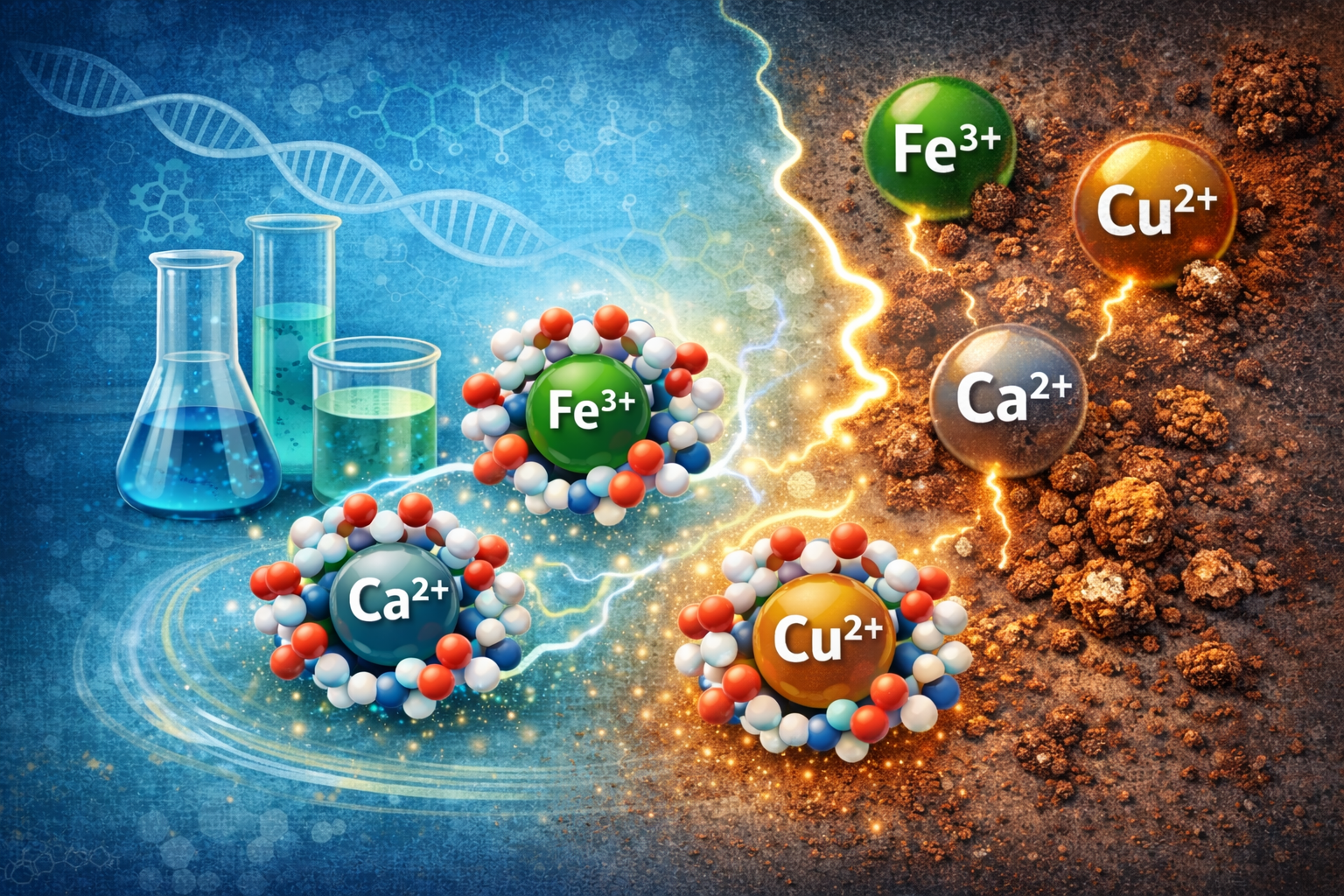
Phosphates bind metal ions through electrostatic attraction and coordination bonds. Each phosphate group contains oxygen atoms with negative charges that attract charged metal ions like Ca²⁺, Mg²⁺, Fe³⁺, and Cu²⁺.
In polyphosphates, multiple phosphate units wrap around a metal ion, forming a stable complex. This keeps the metal soluble and prevents it from reacting with other formulation components. For example:
- Calcium & magnesium: Prevent scale and surfactant inactivation
- Iron & copper: Reduce oxidation and discoloration
- Trace metals: Improve shelf life and product clarity
Impact on Formulation Stability and Performance
By controlling metal ions, phosphates:
- Prevent precipitation and sediment formation
- Maintain clarity in liquids and solutions
- Protect actives from metal-catalyzed degradation
- Improve cleaning efficiency in detergents
- Extend shelf life and visual appeal
In short, phosphate sequestrants stabilize formulations at both a chemical and physical level.
Applications of Phosphate Sequestrants Across Industries
Water Treatment and Boiler Systems
Phosphates control hardness ions in industrial water systems, preventing scale in pipes, heat exchangers, and boilers. This improves heat transfer efficiency and reduces maintenance costs.
Detergents and Cleaning Products
In laundry and industrial cleaners, phosphates soften water, enhance surfactant performance, and prevent the redeposition of dirt. They also stabilize formulations against metal-induced breakdown.
Cosmetics and Personal Care Formulations
In shampoos, creams, and lotions, phosphates help maintain clarity, prevent discoloration, and stabilize preservatives and fragrances by neutralizing trace metals.
Pharmaceutical and Food Processing Applications
Phosphates are used to control metal ions in processing water, syrups, and liquid formulations. In food, they also improve texture and protect flavor integrity by limiting oxidative reactions.
Advantages and Limitations of Using Phosphates
Key Benefits
- Cost-effective: Lower cost than many chelators
- Highly efficient: Effective at low dosages
- Versatile: Work across many pH ranges and industries
Environmental and Regulatory Considerations
Phosphates can contribute to eutrophication in natural waters if discharged improperly. As a result, some regions restrict the use of this ingredient in household detergents. Industrial and controlled-use applications remain widely accepted when wastewater treatment is properly managed.
Best Practices for Using Phosphates in Formulations
- Optimize dosage through lab testing
- Check compatibility with other ingredients
- Monitor pH (most phosphates perform best in neutral to mildly alkaline systems)
- Store in dry, sealed containers to prevent hydrolysis
- Use deionized water for accurate performance evaluation
Alternatives to Phosphate Sequestering Agents
- EDTA & NTA: Strong chelators for sensitive systems
- Biodegradable sequestrants: Such as GLDA and MGDA
- Alternatives are preferred where environmental discharge is tightly regulated or when extremely strong binding is required.
FAQs – Phosphates as Sequestering Agents
Are phosphates safe to use in formulations?
Yes, when used within regulatory limits and appropriate applications.
Can phosphates replace chelating agents entirely?
Not always. Chelators are more effective for controlling trace metals in high-purity systems.
Which metals do phosphates sequester most effectively?
Calcium, magnesium, iron, copper and manganese.
Conclusion: Optimizing Formulations by Preventing Metal Interference
Phosphates are powerful, cost-effective sequestering agents that protect formulations from metal-induced instability. By binding troublesome ions, they improve clarity, performance, and shelf life across industries - from water treatment to food, cosmetics, and pharmaceuticals.
Choosing the right phosphate type and dosage is a strategic decision that supports long-term formulation success. When sourced from a reliable, high-purity supplier, phosphate sequestrants become a foundation for stable, high-performance products.
At DECACHEM, we specialize in supplying high-grade phosphates and purified chemicals designed for demanding industrial, food, and technical applications, helping formulators achieve consistent, metal-free performance with confidence.